The Other Side of the Bridge Is a Boxing Film. It Is Also About Everything Lagos Is Built On Top Of.
Fiyin Gambo's boxing film opens April 17. Tobi Bakre plays a street fighter from Surulere. Demi Banwo plays the senator's son. The ring is the setting. Lagos — its class geography, its unspoken arrangements — is the subject. Nearly a year of training went into the fight sequences. The film may be the most ambitious thing either actor has attempted.
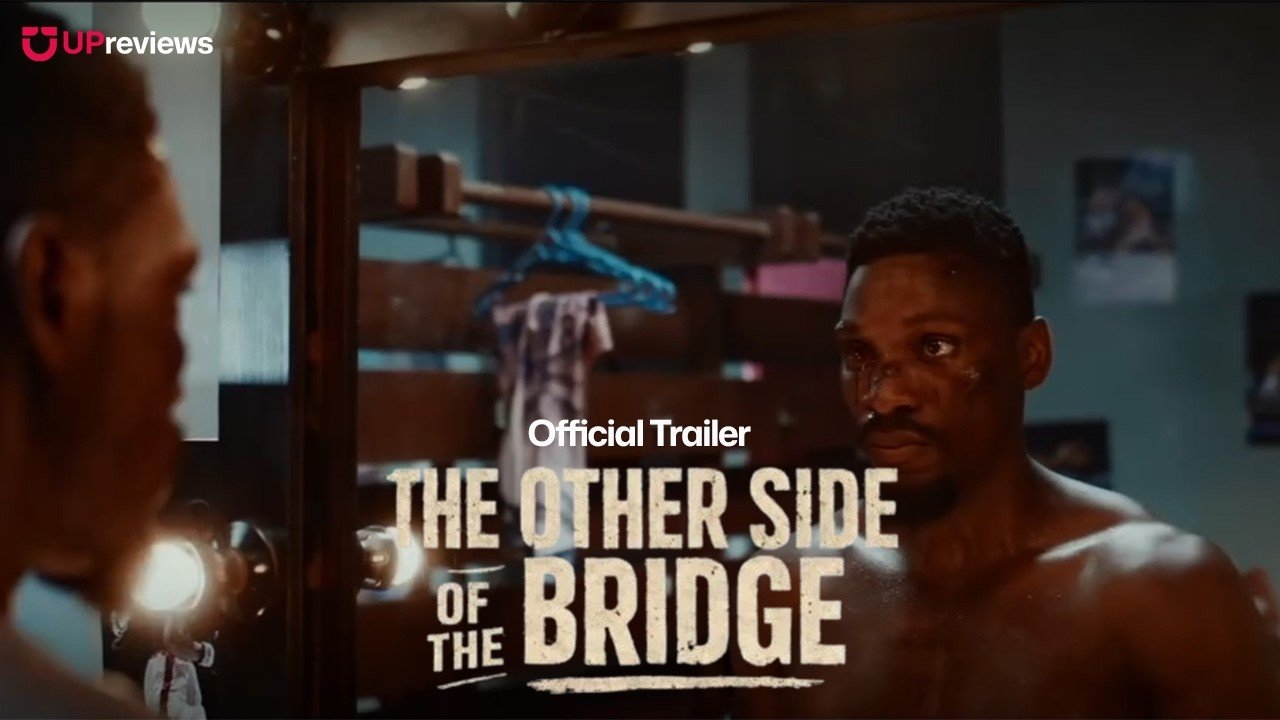
The premise of The Other Side of the Bridge is deceptively simple. Femi (Demi Banwo) is the privileged son of a retired senator. Farouk (Tobi Bakre) is a street fighter from Surulere. Their paths collide in a boxing ring. What begins as a high-stakes bout slowly accumulates personal and social weight until the fight itself becomes almost secondary to what it represents.
Director Fiyin Gambo opens in cinemas on April 17, and the production history of the film is worth knowing before you see it. The lead actors spent nearly a year in physical training. This was not promotional positioning. Gambo and producer Demi Banwo — who also stars — made an early decision that the boxing sequences would be choreographed and executed by the actors themselves, without stunt substitution. The commitment to that decision is visible on screen. The fights feel earned in a way that CGI-assisted action sequences rarely do.
What the film is actually about, beneath the sport and the class divide, is a question that Lagos generates constantly and rarely pauses to examine: what does the city owe the people it built itself on? Farouk exists in a Lagos that Femi does not have to see. The bridge in the title is literal — there is a specific Lagos geography to the divide the film maps — but it is also the film’s central metaphor. Whether the bridge can be crossed, and what it costs to cross it, and whether crossing it changes anything or simply relocates someone from one kind of trap to another, is what the film is asking.
Tobi Bakre has been building toward a performance like this for several years. He is not, in this film, the charming supporting player he has been in larger ensemble productions. He is carrying a full dramatic weight, and the physical transformation required for the role is the least interesting part of what he brings. The emotional specificity of a man who has learned to read every room he enters as a potential threat, and who cannot turn that instinct off even when the room is a boxing gym that is supposed to be his terrain — that is the performance that the film’s ambitions require, and he delivers it.
Banwo’s cast opposite him, playing a character whose privilege is real but whose understanding of it is incomplete, holds a more difficult balance. The film does not make Femi a villain. It makes him someone who has never had to think carefully about where his advantages come from. That is a subtler and more accurate portrayal of how class operates in Lagos than most Nigerian films have attempted.
The supporting cast — Gbubemi Ejeye, Olarotimi Fakunle, Femi Branch, Ireti Doyle, Lasisi Elenu, Mike Afolarin — fills the world around the two leads with the kind of specificity that signals a director who is thinking about every scene rather than just the set pieces.
Nollywood has not made many serious sports films. It has made even fewer films that use sport as a genuine structural metaphor rather than a backdrop. The Other Side of the Bridge appears to be attempting both. Whether it succeeds completely will be for audiences to decide beginning April 17.
On the basis of the evidence available, this is one of the most anticipated films of Q2 2026. Not because of its production scale. Because of what it seems to be trying to say — and who it chose to say it through.
The Other Side of the Bridge opens in cinemas nationwide April 17, 2026. Dir. Fiyin Gambo · Stars: Tobi Bakre, Demi Banwo, Ireti Doyle, Gbubemi Ejeye, Femi Branch, Olarotimi Fakunle, Lasisi Elenu, Mike Afolarin · Lord Tanner Studios.
